
What Is a Good Probiotic for Women? Benefits and Top Picks
 |
| Choosing the right probiotic may support digestive, vaginal, and immune health. |
Quick Answer
A good probiotic for women typically contains clinically studied strains such as Lactobacillus rhamnosus, Lactobacillus reuteri, Lactobacillus acidophilus, and Bifidobacterium lactis. These beneficial bacteria may support digestive health, vaginal microbiome balance, immune function, and overall wellness. The best probiotic depends on your individual health goals and medical history.
Women's health needs change throughout life. From digestive issues and bloating to hormonal shifts, immune health, and vaginal wellness, many women look for natural ways to support their overall well-being. One supplement that has gained significant attention in recent years is probiotics.
But with hundreds of products available, many people wonder: What is a good probiotic for women? The answer depends on your individual health goals. A good probiotic for women should contain clinically studied strains that support digestive, vaginal, immune, and overall microbiome health.
In this guide, we'll explain what probiotics are, how they work, the most important strains to look for, and how to choose the best probiotic for your needs.
What Is a Probiotic?
Probiotics are live microorganisms—primarily beneficial bacteria and some yeasts—that may provide health benefits when consumed in adequate amounts. They naturally live in your digestive tract and are an important part of your body's microbiome.
Your microbiome consists of trillions of microorganisms that influence many aspects of health, including digestion, immune function, metabolism, and even mood.
Although many bacteria are beneficial, factors such as stress, poor diet, lack of sleep, illness, aging, and antibiotic use may disrupt the balance of your gut microbiome. When this happens, some individuals experience symptoms such as:
- Bloating
- Gas
- Digestive discomfort
- Irregular bowel movements
- Frequent infections
- Reduced immune function
Probiotic supplements are designed to help restore or maintain a healthy balance of beneficial bacteria.
How Do Probiotics Work?
Scientists are still learning exactly how probiotics work, but research suggests they may support health in several ways:
- Competing with harmful bacteria for space in the gut.
- Producing compounds that inhibit undesirable microorganisms.
- Supporting the integrity of the intestinal lining.
- Helping regulate immune responses.
- Assisting with digestion and nutrient absorption.
- Supporting a balanced vaginal microbiome.
Because different probiotic strains perform different functions, choosing the right strains is often more important than simply selecting the highest CFU count.
Why Women May Benefit From Probiotics
Women have unique health considerations that may make probiotics especially beneficial.
Hormonal changes during menstruation, pregnancy, perimenopause, and menopause can influence both the gut microbiome and the vaginal microbiome. In addition, women are generally more likely than men to experience digestive concerns such as irritable bowel syndrome (IBS).
Many women use probiotics to support:
- Digestive health and regularity
- Occasional bloating and gas
- Vaginal microbiome balance
- Immune function
- Recovery after antibiotic use
- Overall wellness

What Makes a Good Probiotic for Women?
Not all probiotics are created equal. Some products contain only a few strains, while others include dozens. The key is to choose a supplement backed by research and designed for your specific needs.
1. Look for Clinically Studied Strains
The strains included in a probiotic are often the most important factor when evaluating quality.
Several probiotic strains have been extensively studied for women's health.
Lactobacillus rhamnosus
This strain is among the most widely researched probiotics. It may support digestive health, immune function, and vaginal microbiome balance.
Lactobacillus reuteri
Lactobacillus reuteri has been studied for its role in supporting vaginal health and maintaining a healthy microbial balance.
Lactobacillus acidophilus
This commonly used strain naturally occurs in the gastrointestinal and vaginal tracts and is frequently included in probiotics formulated for women.
Bifidobacterium lactis
This beneficial bacterium may support digestive health, bowel regularity, and immune function.
Bifidobacterium longum
Bifidobacterium longum has been studied for digestive comfort and overall gut microbiome support.
When reading labels, remember that probiotics are strain-specific. A product that lists only the genus and species without identifying the strain may provide less information about its effectiveness.
2. Check the CFU Count
CFU stands for colony-forming units, which indicates the number of live microorganisms present in each serving.
Many consumers assume that higher CFU counts always mean a better product, but this is not necessarily true.
A probiotic containing 50 billion CFUs is not automatically superior to one containing 10 billion CFUs. The specific strains and their clinical evidence are usually more important.
For general wellness, many high-quality products provide anywhere from 1 billion to 50 billion CFUs per serving.
Extremely high CFU counts may not be necessary for everyone and can occasionally increase temporary digestive symptoms during the first few days of use.
3. Choose Products With Quality Testing
Because probiotics contain living organisms, quality control is essential.
Look for products manufactured by reputable companies that provide:
- Third-party testing
- Transparent ingredient lists
- Clinically studied strains
- Good Manufacturing Practices (GMP) certification
- Expiration dates guaranteeing potency
Some products also use delayed-release capsules or specialized delivery systems designed to help beneficial bacteria survive stomach acid and reach the intestines.
 |
| High-quality probiotics should contain clinically studied strains and transparent ingredient labeling. |
Benefits of Probiotics for Women
Research into probiotics continues to evolve, but current evidence suggests that certain strains may offer several potential benefits for women's health.
Supports Digestive Health
Digestive support remains one of the primary reasons women take probiotics.
The gut microbiome plays a critical role in digestion, nutrient absorption, and bowel regularity. When the balance of gut bacteria becomes disrupted, symptoms such as bloating, gas, constipation, or diarrhea may occur.
Some probiotic strains may help support digestive comfort and promote a healthier intestinal environment.
Women experiencing occasional digestive discomfort often choose probiotics as part of a broader strategy that includes a balanced diet, adequate fiber intake, stress management, and regular physical activity.
Supports Vaginal Health
One of the unique benefits of probiotics for women is their potential role in supporting vaginal health. A healthy vaginal microbiome is typically dominated by Lactobacillus species, which help maintain an acidic environment.
This acidic environment may discourage the growth of undesirable microorganisms and support overall vaginal wellness. Factors such as antibiotics, hormonal changes, stress, and aging can affect this delicate balance.
Several probiotic strains, particularly Lactobacillus rhamnosus and Lactobacillus reuteri, have been studied for their ability to support a healthy vaginal microbiome.
May Support Immune Function
Approximately 70% of the immune system is located in the gut. Because of this close connection, maintaining a healthy gut microbiome may positively influence immune health.
Research suggests that certain probiotic strains may help regulate immune responses and support the body's natural defenses. While probiotics are not a substitute for a healthy lifestyle, they may complement habits such as eating a balanced diet, exercising regularly, and getting sufficient sleep.
May Help During and After Antibiotic Use
Antibiotics can be lifesaving medications, but they may also disrupt beneficial gut bacteria while targeting harmful bacteria.
Some people experience digestive symptoms such as diarrhea or bloating during or after antibiotic treatment. Certain probiotic strains may help support microbiome recovery following antibiotic use. If you are taking antibiotics, consult your healthcare provider about the most appropriate probiotic and timing.
Best Probiotic Strains for Women's Health
Different probiotic strains provide different benefits. Understanding these strains can help you select a supplement that matches your goals.
| Probiotic Strain | Potential Benefits |
|---|---|
| Lactobacillus rhamnosus | Digestive support, immune health, vaginal microbiome balance |
| Lactobacillus reuteri | Supports vaginal health and microbiome balance |
| Lactobacillus acidophilus | Digestive health and vaginal wellness support |
| Bifidobacterium lactis | Supports digestion, regularity, and immune function |
| Bifidobacterium longum | Digestive comfort and microbiome support |
 |
| Assorted probiotic supplements for women's health |
Top 5 Probiotic Picks for Women
1. Seed DS-01 Daily Synbiotic
Seed DS-01 Daily Synbiotic
Best For: Women seeking comprehensive microbiome support.
Seed DS-01 combines probiotics and prebiotics in a clinically studied formula designed to support digestive, immune, and whole-body health. It contains 24 strains and uses a delayed-release capsule designed to help beneficial bacteria survive stomach acid
*Price may change at any time.

2. Culturelle Women's Healthy Balance
Culturelle Women's Healthy Balance
Best for: Women seeking dual digestive and vaginal support.
This formula contains clinically studied probiotic strains intended to support both digestive and vaginal health. It is specifically formulated for women's wellness needs.
*Price may change at any time.

3. Garden of Life Dr. Formulated Probiotics Once Daily Women's
Garden of Life Dr. Formulated Probiotics
Best for: Women looking for a high-CFU daily probiotic.
This shelf-stable probiotic is designed specifically for women and includes multiple probiotic strains to support digestive and immune health.
*Price may change at any time.

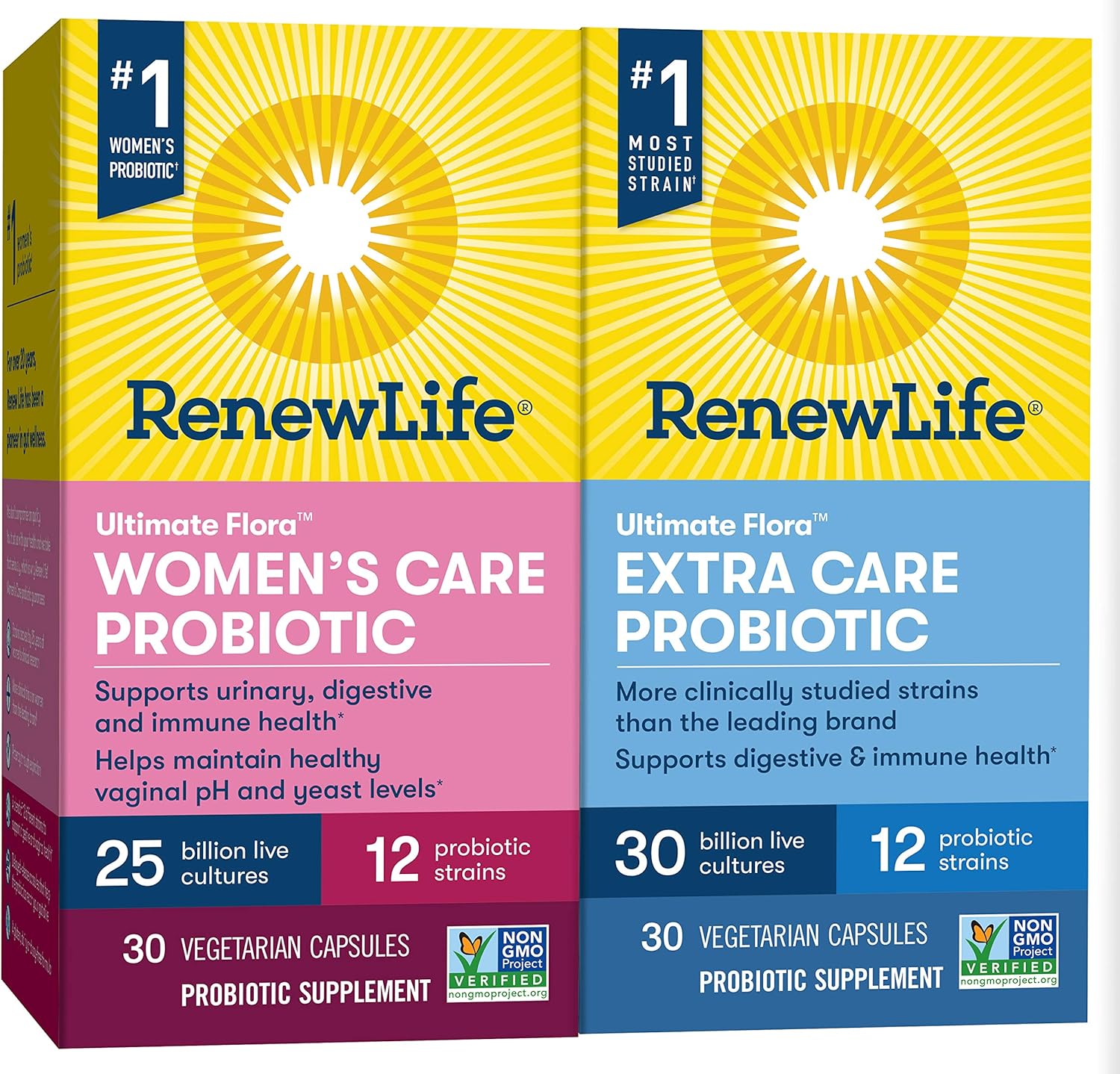
4. Renew Life Women's Care Probiotic
Renew Life Women's Care Probiotic
Best for: Women experiencing occasional digestive discomfort.
Renew Life Women’s Care Probiotic is a women-focused probiotic formula designed to support digestive, vaginal, urinary, and immune health. It uses multiple clinically studied probiotic strains and is made as a delayed-release capsule for targeted delivery.
*Price may change at any time.
5. OLLY Probiotic + Prebiotic Gummies
OLLY Probiotic + Prebiotic Gummies
Best for: Beginners and those who prefer gummies.
These chewable gummies combine probiotics and prebiotic fiber in an easy-to-take format for women who prefer not to swallow capsules.
*Price may change at any time.

How to Choose the Right Probiotic for Your Needs
For Digestive Health
If your primary goal is digestive support, look for products containing strains such as Lactobacillus acidophilus, Bifidobacterium lactis, and Bifidobacterium longum.
For Vaginal Health
Women interested in supporting vaginal wellness may prefer products containing Lactobacillus rhamnosus and Lactobacillus reuteri.
For Bloating and IBS
Individuals experiencing bloating or IBS symptoms should consider speaking with a healthcare professional to identify strains that have been specifically studied for those concerns.
During Menopause
Hormonal changes during menopause may influence both gut and vaginal microbiomes. A broad-spectrum probiotic containing multiple clinically studied strains may provide comprehensive support.
Are There Any Side Effects?
Probiotics are generally considered safe for healthy individuals. However, some people may experience mild, temporary side effects when first starting a probiotic supplement.
Common side effects may include:
- Gas
- Bloating
- Changes in bowel habits
- Mild digestive discomfort
These symptoms often improve as the body adjusts. Individuals with serious underlying health conditions or compromised immune systems should consult a healthcare professional before taking probiotics.
Lifestyle Habits That Support a Healthy Microbiome
Supplements are only one part of maintaining a healthy microbiome. Daily lifestyle habits also play an important role.
- Eat a fiber-rich diet containing fruits, vegetables, legumes, and whole grains.
- Include fermented foods such as yogurt, kefir, sauerkraut, and kimchi.
- Manage stress through mindfulness, exercise, or relaxation practices.
- Prioritize quality sleep.
- Stay physically active.
- Avoid unnecessary antibiotic use.
Frequently Asked Questions
What is the best probiotic for women over 50?
The best probiotic for women over 50 depends on individual health needs. Broad-spectrum formulas containing clinically studied Lactobacillus and Bifidobacterium strains are often popular choices.
Should women take probiotics every day?
Many probiotic products are designed for daily use. Consistency may be important because probiotics generally provide benefits while they are being taken regularly.
How long does it take probiotics to work?
Some individuals notice changes within a few days, while others may require several weeks of consistent use. Results vary depending on the person, the probiotic strains used, and the health goal.
Can probiotics help with bloating?
Certain probiotic strains may help support digestive comfort and reduce occasional bloating in some individuals, although responses vary.
Are refrigerated probiotics better?
Not necessarily. Many modern shelf-stable probiotics are formulated to remain effective at room temperature. Always follow the storage instructions provided by the manufacturer.
Final Thoughts
So, what is a good probiotic for women? A high-quality probiotic should contain clinically studied strains that align with your health goals, whether you want to support digestion, vaginal wellness, immune health, or overall microbiome balance.
Rather than focusing solely on CFU count, prioritize clinically studied strains, quality manufacturing practices, and products from reputable companies. Combined with healthy lifestyle habits, probiotics may be a valuable addition to a woman's wellness routine.
Related Reads
- Best Supplements for Gut Health and Digestion
- How to Heal Your Gut Microbiome Naturally: Complete Guide
- 7 Signs of Poor Gut Health and How to Fix It
- What Causes Bad Gut Health? 5 Everyday Habits to Avoid
- Foods to Improve Digestion for IBS
- Why Do You Bloat and Get Gas Right After Eating?
References
- National Center for Complementary and Integrative Health: Probiotics — Usefulness and Safety
- NCCIH: 5 Things To Know About Probiotics
- Cleveland Clinic: Probiotics — Benefits and Side Effects
- Cleveland Clinic: Probiotics for Vaginal Health
- Mayo Clinic: Probiotics and Prebiotics
- Harvard Health Publishing: How to Feed Your Gut





.png)





Post a Comment